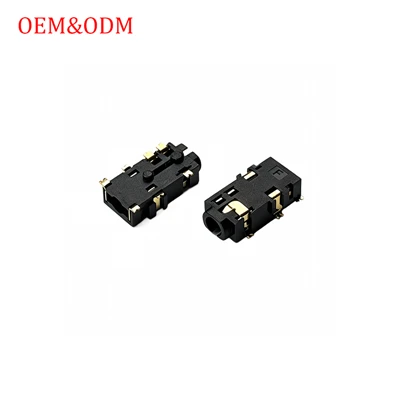
Hey there! As a power strip modules supplier, I've been getting a lot of questions lately about whether power strip modules are affected by electromagnetic interference (EMI). So, I thought I'd sit down and share my thoughts on this topic.


First off, let's talk about what electromagnetic interference is. EMI is basically any kind of electromagnetic noise that can disrupt the normal operation of electronic devices. It can come from a variety of sources, like power lines, motors, radio waves, and even other electronic devices. When EMI interferes with a power strip module, it can cause all sorts of problems, from reduced performance to complete failure.
So, are power strip modules affected by EMI? The short answer is yes, but it really depends on a few factors. One of the biggest factors is the quality of the module itself. High-quality power strip modules are designed to be more resistant to EMI, thanks to things like shielding and filtering components. These components help to block out unwanted electromagnetic noise and keep the module running smoothly.
On the other hand, lower-quality power strip modules may not have as much protection against EMI. They might be more prone to interference, which can lead to issues like flickering lights, strange noises, or even damage to connected devices. That's why it's so important to choose a reliable supplier when you're looking for power strip modules.
Another factor that can affect how a power strip module responds to EMI is its environment. If the module is used in an area with a lot of electromagnetic noise, like a factory or a data center, it's going to be more likely to experience interference. In these situations, it's especially important to use high-quality modules and to take steps to minimize EMI, like using shielded cables and keeping the module away from sources of interference.
Now, let's take a look at some of the specific types of power strip modules that we offer and how they might be affected by EMI.
Multi - Port USB Charging Station Module PCB - 01
This Multi - Port USB Charging Station Module PCB - 01 is a popular choice for charging multiple devices at once. It's designed with advanced circuitry to provide fast and efficient charging. In terms of EMI, we've built in shielding and filtering to reduce the impact of electromagnetic interference. However, if it's placed in a very noisy environment, it might still experience some minor issues. For example, you might notice a slight slowdown in charging speed or some instability in the charging process. But overall, it's pretty robust and can handle a fair amount of EMI.
Power Adapter Connector E114
The Power Adapter Connector E114 is an important part of any power strip setup. It's responsible for connecting the power adapter to the module. EMI can potentially cause problems with the connection, leading to intermittent power loss or a weak connection. To combat this, our Power Adapter Connector E114 has been engineered with anti - EMI features. The connectors are made of high - quality materials that help to reduce the impact of electromagnetic noise, ensuring a stable and reliable power connection.
Overload Protection Module GZKG - 01
The Overload Protection Module GZKG - 01 is designed to protect your connected devices from overloading. EMI can interfere with the module's sensors and control circuitry, causing it to malfunction. That's why we've taken extra precautions with this module. It has a built - in EMI filter that helps to block out unwanted electromagnetic noise. This ensures that the module can accurately detect overload conditions and take action to protect your devices, even in a noisy environment.
Universal Outlet Module EM - 03
The Universal Outlet Module EM - 03 is a versatile module that can be used with different types of plugs. EMI can potentially cause problems with the electrical contact between the plug and the outlet, leading to arcing or overheating. Our Universal Outlet Module EM - 03 has a solid construction and is designed to minimize the risk of EMI - related issues. The outlet contacts are made of high - conductivity materials, and the module is shielded to reduce the impact of electromagnetic interference.
Dual USB - A Fast Charging Module PCB - 03
The Dual USB - A Fast Charging Module PCB - 03 is great for charging two USB - A devices simultaneously. Like the multi - port charging station module, it's also equipped with shielding and filtering to deal with EMI. However, if there's a lot of interference in the environment, you might notice some issues, such as a drop in charging voltage or a slower charging rate. But generally, it's a reliable module that can perform well even in less - than - ideal conditions.
So, what can you do to minimize the impact of EMI on your power strip modules? Here are a few tips:
- Choose high - quality modules: As I mentioned earlier, high - quality power strip modules are more resistant to EMI. Make sure you're buying from a reputable supplier.
- Use shielded cables: Shielded cables can help to block out electromagnetic noise and reduce interference.
- Keep your modules away from sources of EMI: Try to place your power strip modules away from motors, power lines, and other devices that generate a lot of electromagnetic noise.
- Ground your equipment properly: Proper grounding can help to dissipate electromagnetic energy and reduce the risk of interference.
If you're in the market for power strip modules, we've got a great selection to choose from. Whether you need a single module or a large quantity for a commercial project, we can help. Our modules are designed with quality and performance in mind, and we're constantly working to improve our products to better handle electromagnetic interference.
If you're interested in learning more about our power strip modules or have any questions about EMI, don't hesitate to reach out. We're more than happy to have a chat and help you find the right solutions for your needs. Whether you're a small business owner looking to upgrade your office equipment or a large corporation in need of reliable power solutions, we're here to assist you.
References
- "Electromagnetic Compatibility Engineering" by Henry W. Ott
- "Handbook of Electromagnetic Compatibility" by Clayton R. Paul